Dental crowns protect teeth that are cracked, weakened, or repaired after a large filling or root canal. At Dentist Brea, patients from Brea, La Habra, Fullerton, Yorba Linda, and nearby San Gabriel Valley cities come in for custom crowns that are shaped to fit their bite and daily routine. The goal is straightforward, restore function, protect the tooth, and keep treatment practical for real commutes.
As of April 2026, Dental Crowns in Brea, California are used to strengthen teeth that cannot hold up with a filling alone. At Dentist Brea, crown treatment is planned for local patients and commuters from nearby North Orange County and the San Gabriel Valley, including people driving in from La Habra, Fullerton, and Rowland Heights. The aim is a durable restoration that fits comfortably, protects the tooth, and supports normal chewing.

Brea patients often need crown care that fits a workday, a school schedule, or a same week repair after a tooth cracks on something hard. Dentist Brea is set up for general dentistry visits, so crown treatment can be planned around the real reasons people delay care, like pain, time, or uncertainty about what the tooth needs.
The practice serves more than 8,500 patients, and that experience matters when a tooth needs more than a quick patch. For people driving in from nearby cities, Brea is a practical central stop, about 10 to 20 minutes from Fullerton or La Habra, roughly 15 to 25 minutes from Yorba Linda, and around 20 to 30 minutes from parts of Rowland Heights depending on traffic.
Book Free ConsultationKey data pointAs of April 2026, dental crowns remain one of the most practical ways to save a tooth that is cracked, heavily filled, or weakened after root canal treatment. In Brea, patients often choose crowns because they restore chewing strength without removing the tooth. The treatment is planned around real bite pressure, not just appearance.
Dental crowns are custom caps that cover a damaged tooth from the biting surface down to the gumline. They are used when a tooth needs more strength, more shape, or better protection than a filling can provide.
Crowns are often made from ceramic, porcelain fused to metal, zirconia, or other durable materials. The right choice depends on where the tooth sits, how much force it takes, and how much natural tooth structure remains.
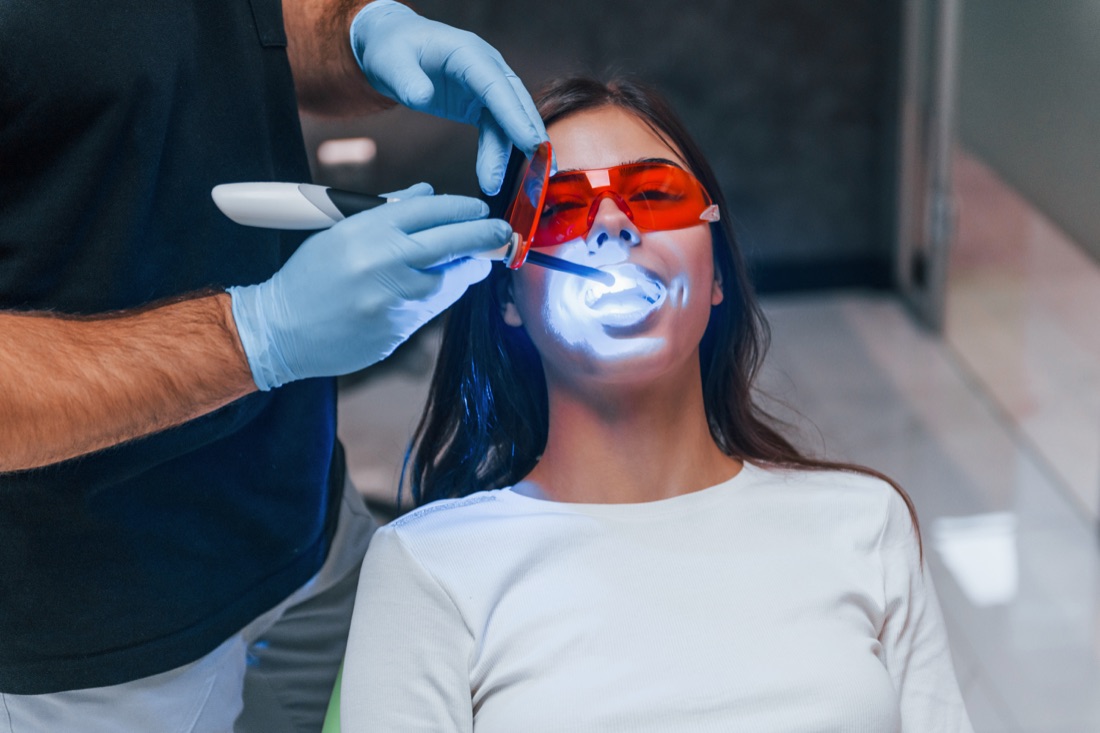
Waiting to brighten your teeth can add up, small stains deepen, and missed opportunities for confident first impressions can affect social and professional moments. Addressing discoloration now helps you present your best self at important events and everyday interactions. If you’re curious what whitening could do for your smile, schedule a consult to talk options and timing without pressure.
Crowns are commonly recommended when a tooth is too weak, too cracked, or too heavily restored to stay reliable with a filling alone. For Brea patients, that can mean fixing a tooth before a fracture turns into an extraction. They are also used to finish root canal treatment, restore worn teeth, and improve the shape of teeth that have been broken or misshapen for years.
You may be a crown candidate if the tooth still has enough healthy structure to support a full restoration. The goal is to save the tooth when possible, especially if the problem is structural rather than cosmetic. A consultation helps decide whether a crown, filling, onlay, or another option makes the most sense for your bite and symptoms.
A crown can make a weak tooth functional again without removing it. That matters when the tooth is valuable for chewing, alignment, or keeping nearby teeth from shifting.
For many patients, the best part is that a well made crown feels like a normal tooth after the adjustment period. It can also lower the risk of another break, which is why crowns are often chosen for back teeth that absorb heavy pressure.
Real Dental CrownsAs of April 2026, patients choose Dentist Brea for crown care because the team combines general dentistry experience with a location that works for nearby commuters. More than 8,500 patients have already been served, and that volume shows in the way crown options are explained, planned, and fitted around everyday life in Brea and surrounding cities.
Crowns are reliable, but they are not risk free. Some teeth need extra shaping, and that can leave less natural enamel underneath than a small filling would.
There can also be sensitivity after treatment, and the crown may need future replacement if the cement, bite, or underlying tooth changes over time. Careful planning lowers those risks.
Your visit starts with a focused exam of the tooth, surrounding gums, and bite. If the tooth is cracked or weakened, the dentist looks at how much healthy structure is left and whether a crown can protect it long term.
From there, treatment options are reviewed in plain language, including whether the tooth needs buildup first, whether the crown can be made from ceramic or another material, and whether the work should happen in one visit or across two appointments. If a temporary crown is needed, you leave with a plan for comfort and function while the final crown is completed. For many Brea patients, that clarity is the biggest relief, because they know exactly what comes next.
Quick consultation, sensitivity check, and gum health review before whitening.
Professional cleaning removes tartar and surface stains so the gel reaches enamel evenly.
Three 15-minute LED-activated cycles brighten 6 to 8 shades in one 90-minute visit.
Custom-fit trays with professional gel for gradual brightening over 10 to 14 nights.
VITA shade comparison plus a take-home maintenance kit and food guidance.
Annual touch-up sessions or take-home tray refills keep results locked in.
Crown treatment is often chosen after a tooth starts failing in a way a filling cannot fix. These examples show the kind of structural problems that often lead Brea patients to schedule care before the tooth cracks further.
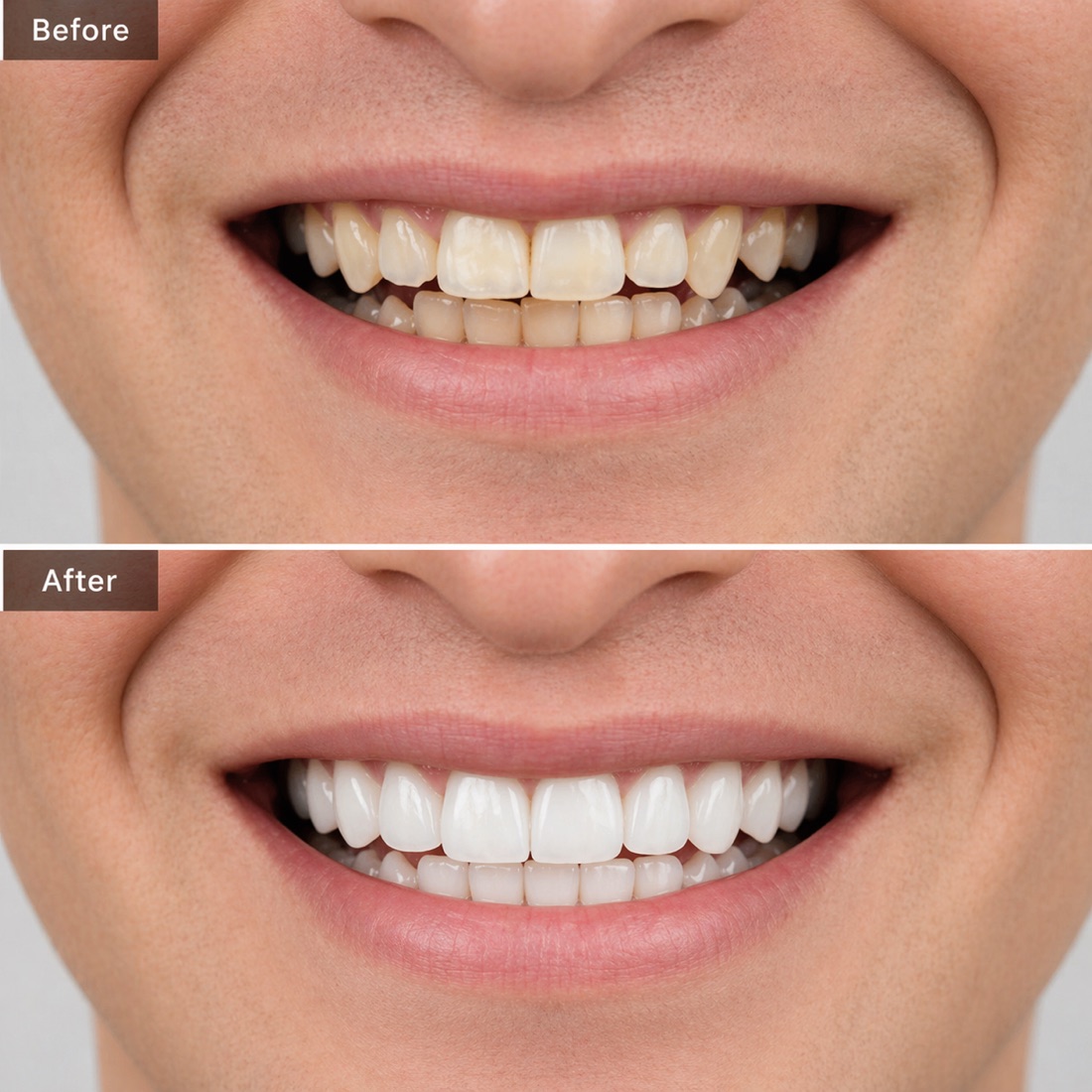
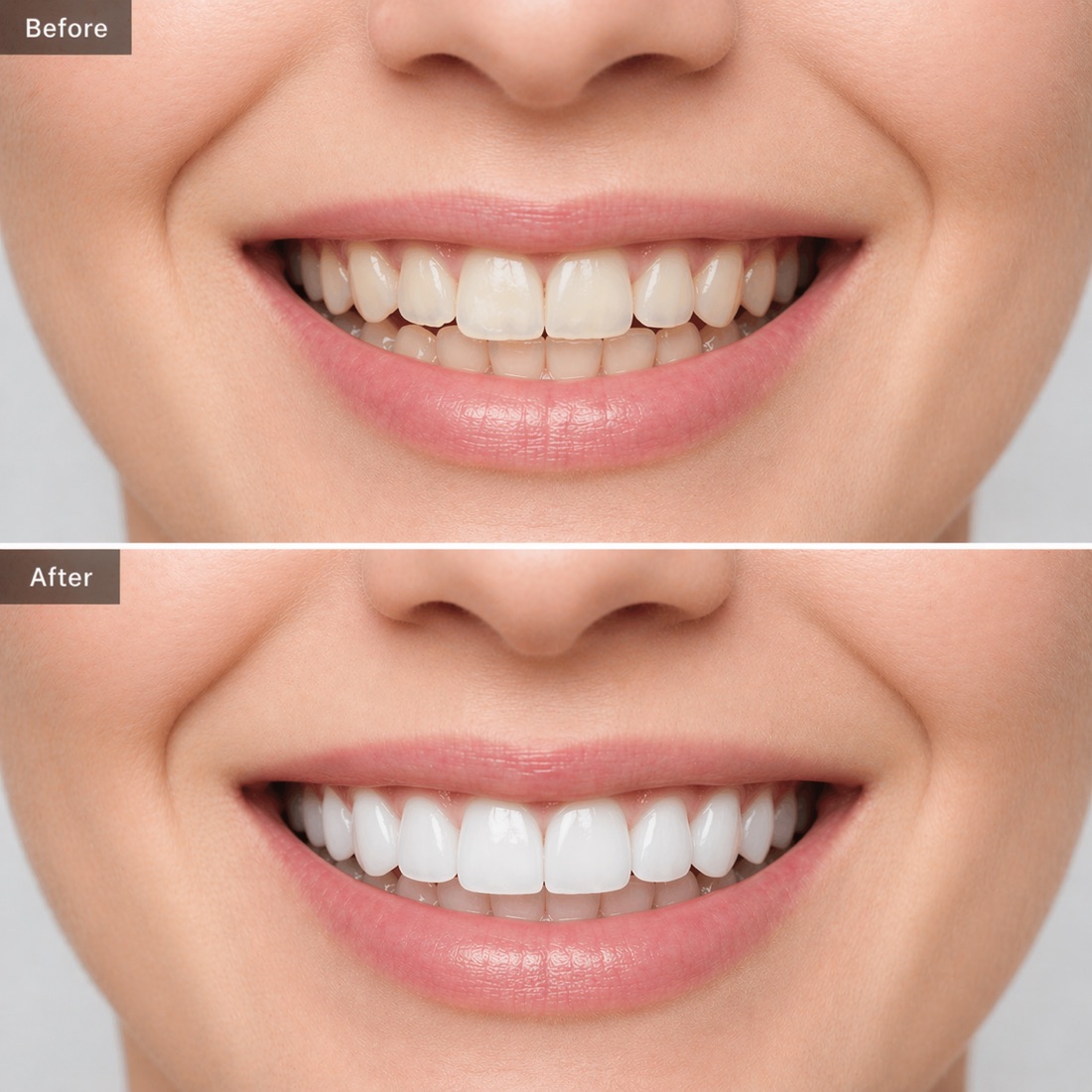
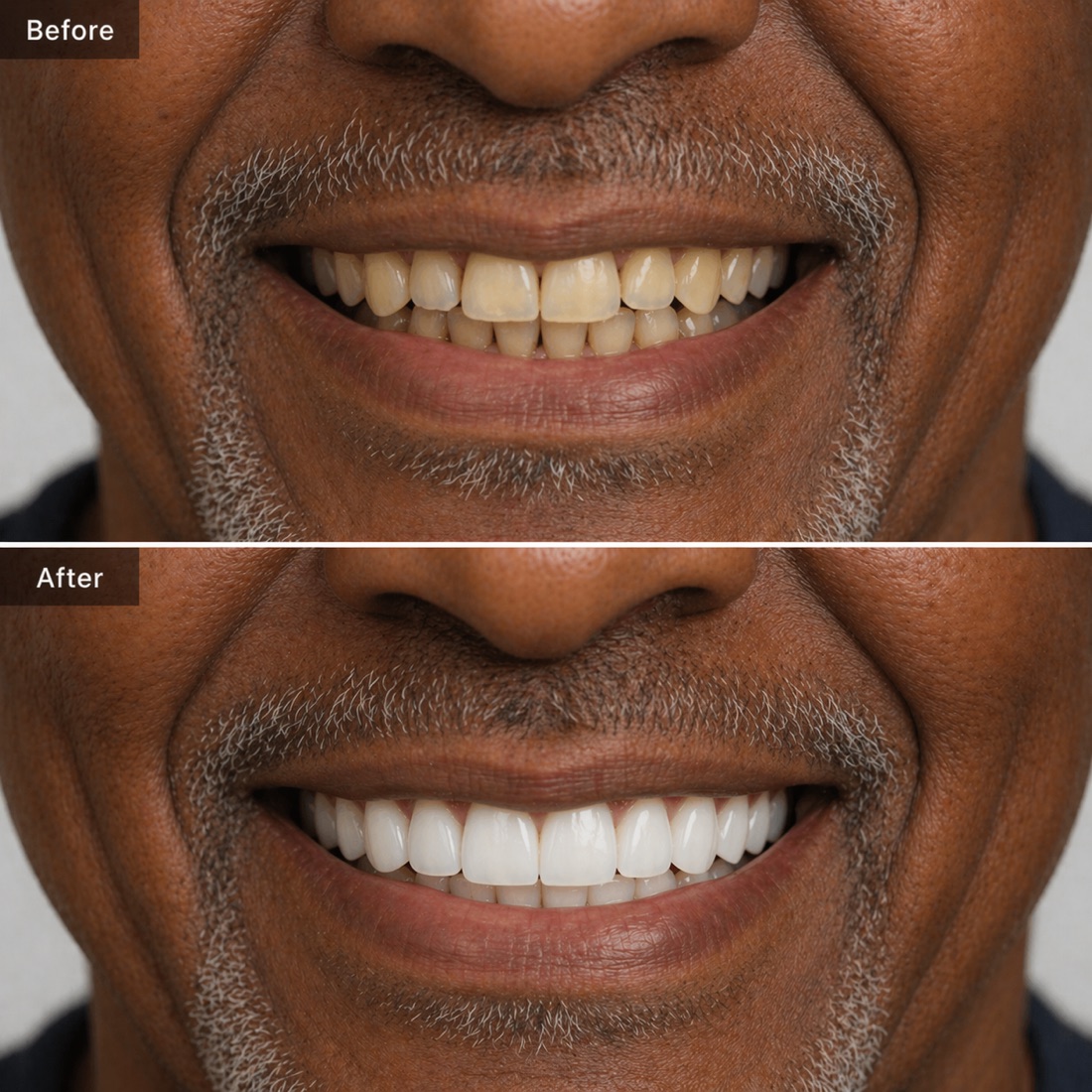
Free Shade Assessment · No Obligation
Patients often mention comfort, clarity, and a crown that feels like part of the tooth.
A filling repairs a smaller area of decay or damage, while a crown covers the entire visible tooth for more support. Crowns are usually recommended when the tooth is too weak for a filling to hold up over time. If the crack, fracture, or cavity is large, a crown can help protect the tooth from splitting further.
Many crowns last 10 to 15 years or longer with good brushing, flossing, and regular dental visits. The lifespan depends on the material, your bite, and whether you grind your teeth. A crown on a back molar that handles heavy chewing may wear differently than one on a front tooth. Good home care helps extend its life.
Yes, but the cause of the pain matters. If the tooth is infected, cracked, or inflamed, the dentist needs to identify the problem before placing a crown. Sometimes the tooth can be saved with a crown after treatment, but sometimes root canal therapy or another step is needed first. The consultation determines the safest plan.
Common crown materials include ceramic, porcelain, zirconia, and porcelain fused to metal. Ceramic and zirconia are often chosen for durability and appearance, depending on the tooth’s location. The best material depends on how much pressure the tooth takes and how visible it is when you smile. Your dentist helps match the material to the tooth.
Yes, online booking is the easiest way to start if you think you may need a crown. That is especially helpful if the tooth is cracked, sensitive, or recently had a filling fail. During the visit, the tooth is examined and the treatment options are explained clearly so you know whether a crown is the right next step.
Many crown patients come from nearby North Orange County cities because Brea is an easy central drive. Fullerton and La Habra are often about 10 to 20 minutes away, Yorba Linda is commonly 15 to 25 minutes away, and parts of Rowland Heights may take about 20 to 30 minutes depending on traffic. That makes crown care practical for commuters.
| Crown type | What it includes | Time | Cost | Lifespan | Best for |
|---|---|---|---|---|---|
| Porcelain (Ceramic) | All-ceramic, tooth-colored | 2 visits, 2 weeks | $1,000 to $2,500 | 10 to 15 years | Front teeth, aesthetic priority |
| Porcelain-Fused-To-Metal | Metal core + porcelain shell | 2 visits, 2 weeks | $1,000 to $2,000 | 10 to 15 years | Back teeth, balance of strength + look |
| Zirconia | Ultra-durable ceramic | 2 visits, 2 weeks | $1,200 to $2,800 | 15 to 20 years | Heavy chewing forces, long-term |
| Same-Day CEREC | Milled in office | 1 visit, 90 minutes | $1,200 to $2,500 | 10 to 15 years | Time-sensitive single-tooth crown |
You came in for dental crowns, but our Brea practice offers the full range of dental care. Explore other ways to enhance your smile.
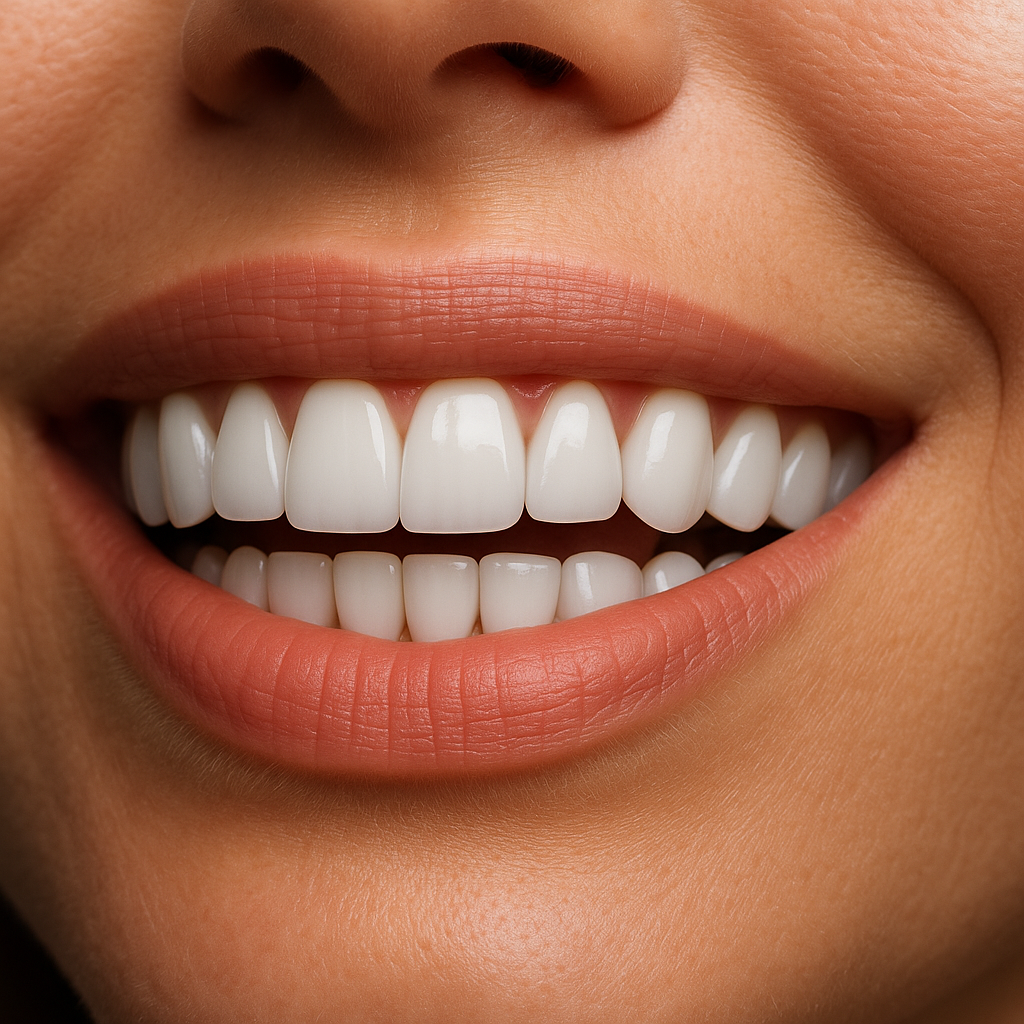
Ultra-thin porcelain shells correct chips, stains, gaps, and alignment in 2 to 3 visits.
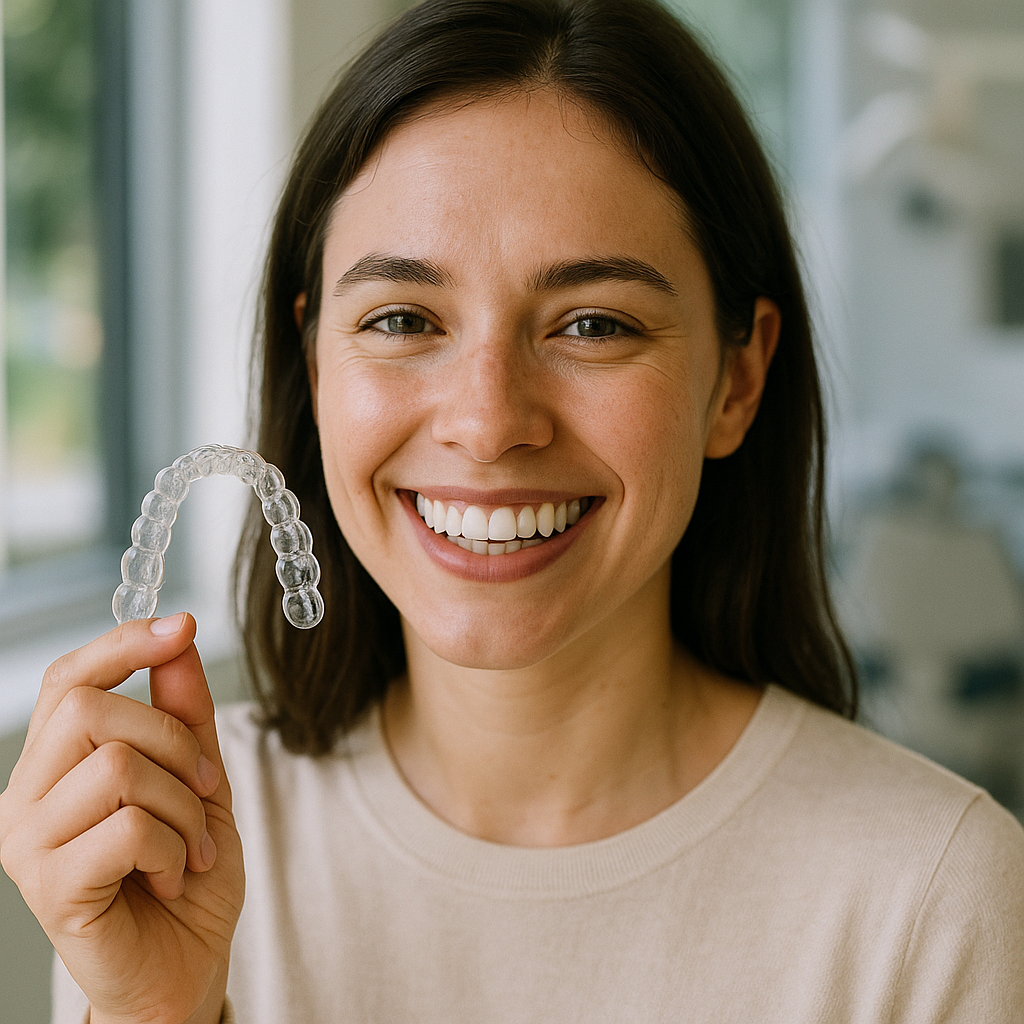
Clear removable aligners straighten teeth discreetly over 6 to 18 months, no metal.
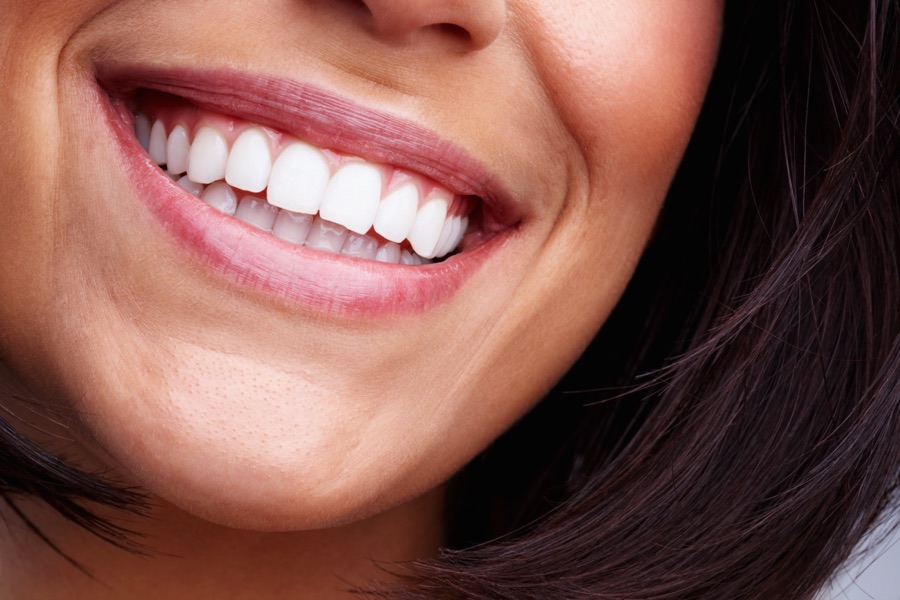
A combined treatment plan, veneers, whitening, and alignment, designed around your face.
Our experienced team has transformed 8,500+ smiles across Orange County and the surrounding areas. Each city below has its own patient guide, click to see commute times, local context, and what to expect at your visit.
Don't see your city? Give us a call, we see patients from all across Southern California.
If your tooth is cracked, worn, or too weak for a filling, online booking is the next step. Get a crown plan that fits your tooth, your bite, and your schedule in Brea.